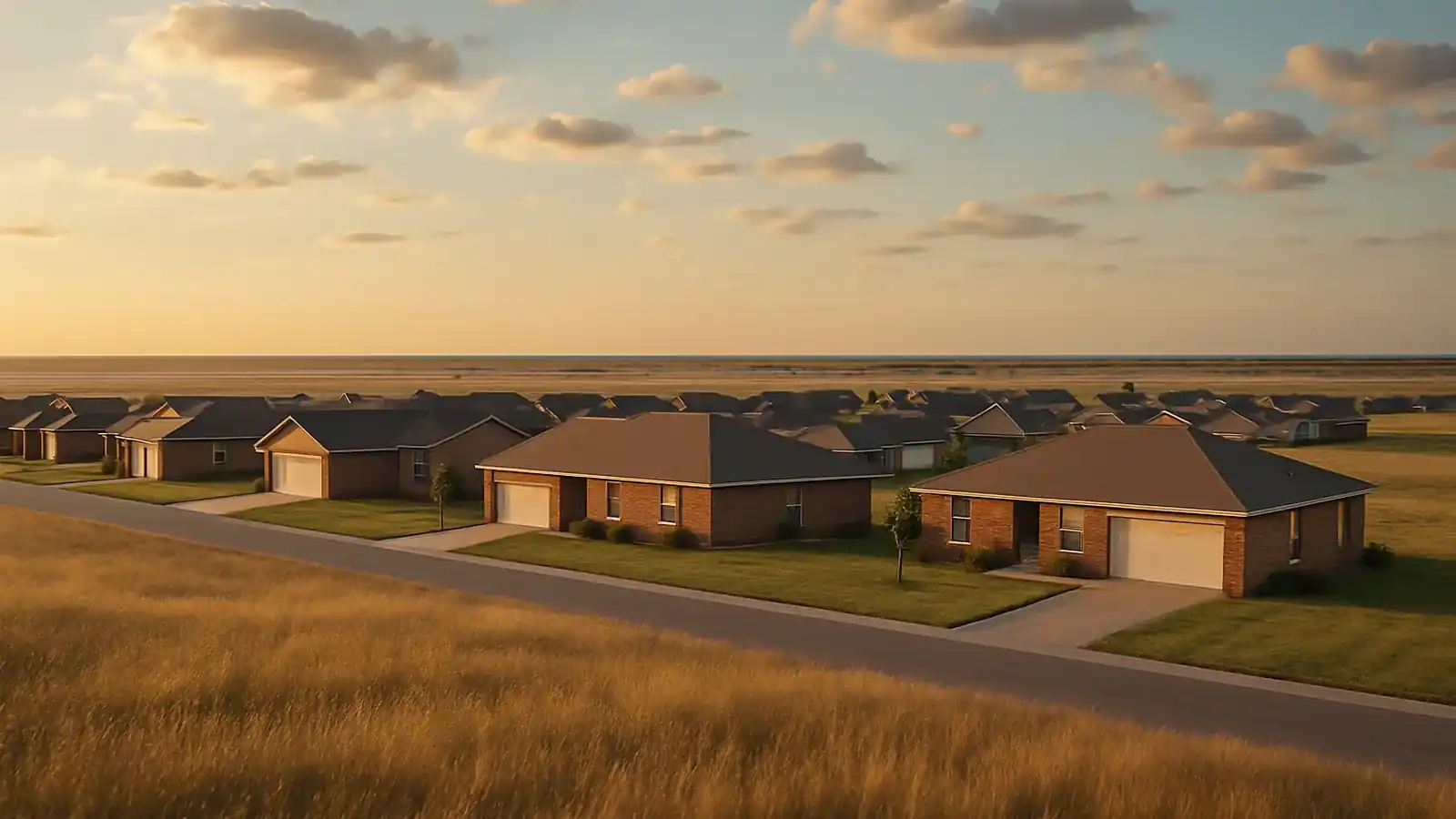
Drainage and moisture management in Wichita runs from $300 surface corrections to $2,500–$8,000 perimeter systems. On bentonite-laced fat clay, moisture amplitude drives every failure on this site, so water work here manages both directions: drain the floods, soften the droughts.
Why the swing is the real enemy, the two-direction toolkit, and the flat-lot discharge rules.
The amplitude problem
Most metros fight water; Wichita fights variance. The same foundation that spends May in saturated, swelling clay spends August in shrinking, retreating clay: a hydraulic press in spring, a trapdoor in fall. Every structural failure this company repairs traces to that amplitude: walls bowed at the wet end, footings dropped at the dry end, cracks breathing between them. Flatten the swing and the whole failure menu quiets. That's not a slogan; it's the engineering.
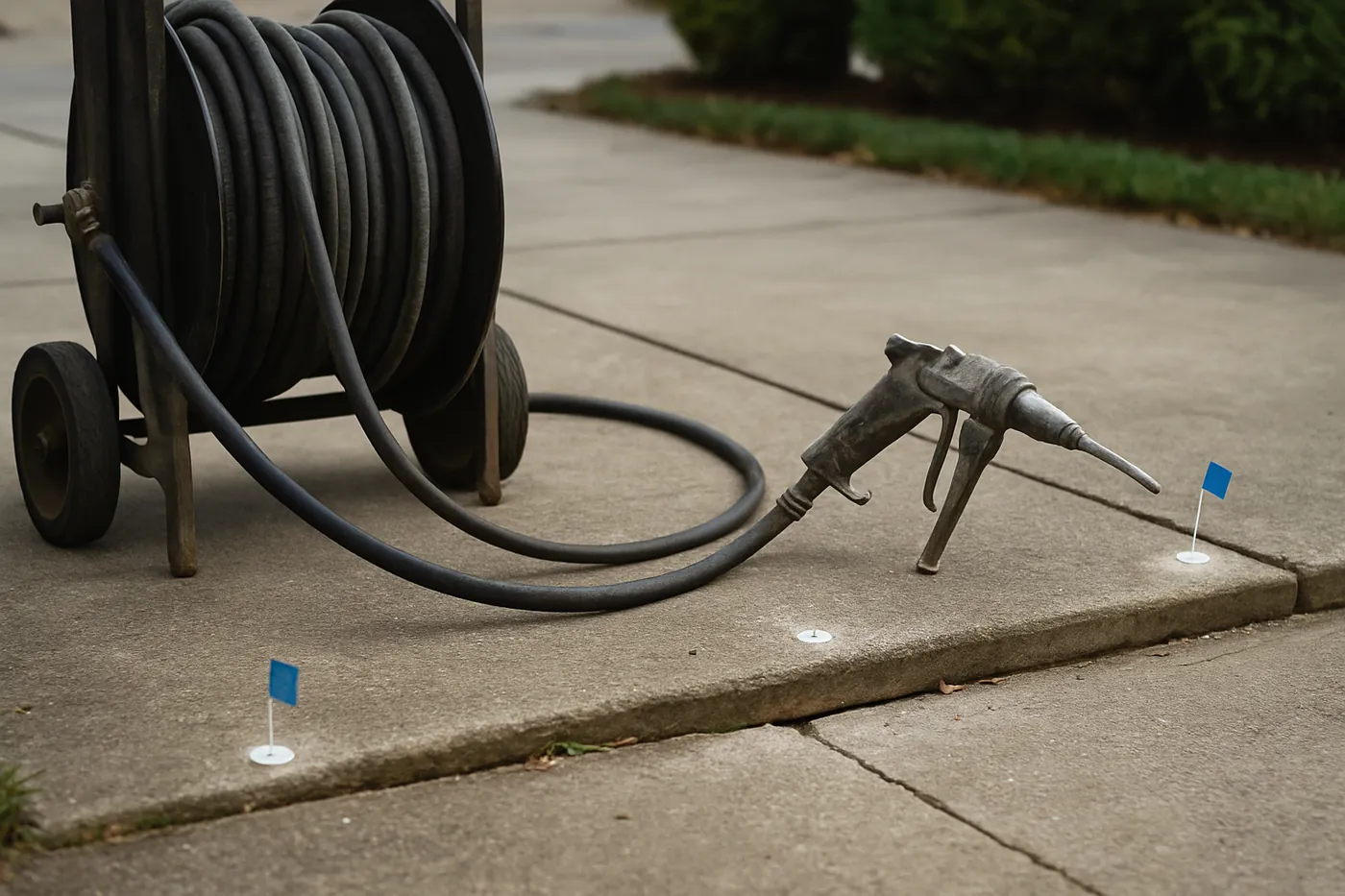
The two-direction toolkit
- Wet-end controls: gutters and extensions that genuinely leave, grade rebuilt to shed, and, for basement stock, interior perimeter drainage with a sealed sump, battery-backed, discharged where flat prairie can't recycle it.
- Dry-end controls: even foundation watering in drought (soaker lines run correctly, consistent, modest, not against the slab), irrigation zoning that doesn't soak one flank while baking another, shade and mulch strategy at the margins.
- Both-end honesty: the evaluation walks your lot's actual moisture story (where storms park, where drought bites first) and specs only what the story justifies.
| Scope | Cost | Answers |
|---|---|---|
| Surface corrections | $300–$1,500 | Storm parking, edge drying: first response |
| Perimeter drainage + sump | $2,500–$8,000 | Basement wall pressure, chronic wet cycles |
| Moisture-evenness plan | Modest, quoted per lot | Drought shrink: the settlement feeder |
Prevention priced against repair
The arithmetic writes itself: a moisture plan in the hundreds versus piers in the thousands, drainage relief versus wall restraint at five times the line. Buy the steel when the measurements demand it, and ask for the swing-flattener first, because on this prairie the cheapest foundation repair is the one the clay never orders.
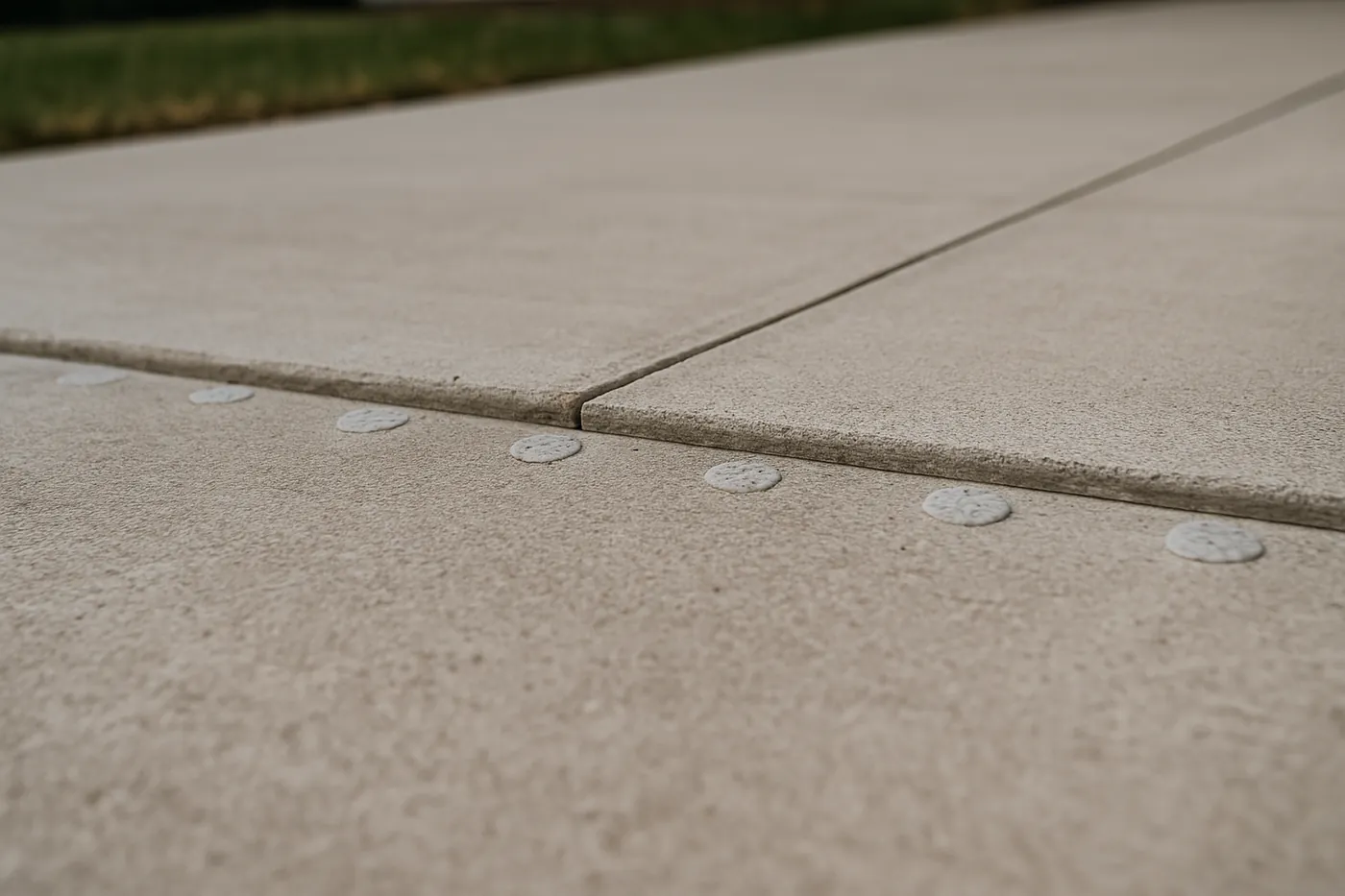
Hydrologic Group D: why Wichita basements can't just "drain better"
The USDA classes the Wymore-Ladoga clays under this metro in Hydrologic Soil Group D. The worst-draining class the system has. Rain that lands here doesn't percolate away; it sits against whatever it landed on, including your foundation, turning every storm into a slow pressure test. That's why surface-only fixes disappoint in this soil: regrading and downspout extensions are the correct first dollars (and a good scope prices them first), but on Group D clay the water that does reach the foundation has nowhere to go without help.
Help means interior drainage: a channel at the footing intercepting water at its entry point, feeding a sealed sump, discharging far enough out that the clay can't hand the same gallon back. Most Wichita systems land in the $2,500–$8,000 range and install in one to three days. Sized right, the sump runs a few times a spring and earns its keep the first time a slow-moving Kansas thunderstorm parks over the county.
Water questions, straight answers
What does drainage work cost in Wichita?
Surface corrections (gutters, extensions, grading) run $300-$1,500 and punch far above their weight on fat clay. Interior perimeter drainage with a sump runs $2,500-$8,000 for basement homes. Moisture-evenness systems (soaker lines, zoning corrections) price modestly alongside.
Why does a foundation company sell soaker hoses?
Because on fat clay, drought is a structural load. Even moisture around the foundation flattens the shrink that pulls support from footings: the cheapest settlement prevention sold in this metro. It's not landscaping advice; it's amplitude engineering.
Is a wet basement or a dry drought worse here?
They're the same enemy at opposite ends: the swing. Storm cycles swell the clay against walls; drought shrinks it from under footings. Managing only one end manages half the problem, which is why a good water scope reads 'drainage AND moisture,' both directions, on purpose.
Where should sump and gutter water go on flat prairie lots?
Far enough that the clay can't reclaim it: flat ground makes lazy discharge circular. A good plan routes to genuine fall where it exists, dry wells where it doesn't, and never just to the property line for the neighbor's clay to mail back.
Will moisture management really prevent repairs?
It demonstrably shrinks them: foundations with flattened moisture swings settle less, push walls less, and crack less, the whole failure menu here is amplitude-driven. It won't undo existing movement; it stops feeding the next round. Cheapest line on any Wichita scope, biggest leverage.
Get a Wichita foundation evaluation
Tell us what the house is doing (a crack that grew, a door that quit closing, a slab that dropped) and we'll pass your request on for an evaluation. A local specialist who works in Wichita will call you back.