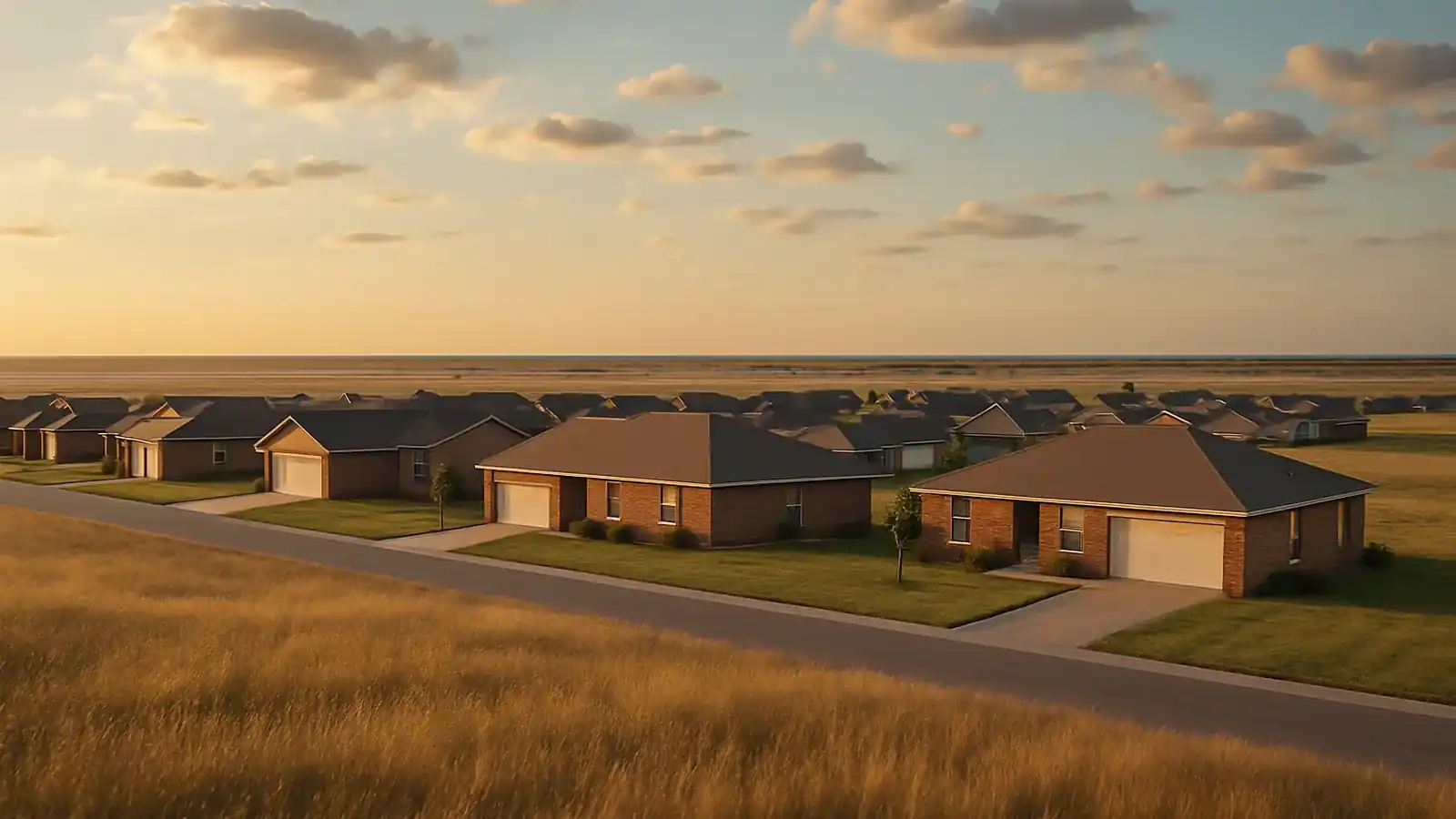
Wichita Foundation Co. connects you with a local specialist for the prairie's full structural stack: piering from $1,200/pier, wall restraint from $2,500, crack injection from $400, moisture and drainage work from $300, and slab leveling from $500, every scope best preceded by a measured evaluation with the amplitude read included.
Foundation Piering & Underpinning
Load carried below the active fat clay. The accordion keeps playing, the house stops dancing.
Bowing Basement Wall Repair
Restraint for walls the wet-season swell keeps shoving: measured in inches, fixed in steel.
Foundation Crack Repair
Injection and stitching for the cycle-worked cracks the prairie calendar writes.
Drainage & Moisture Management
Flatten the wet-dry swing that drives everything. The most Wichita repair there is.
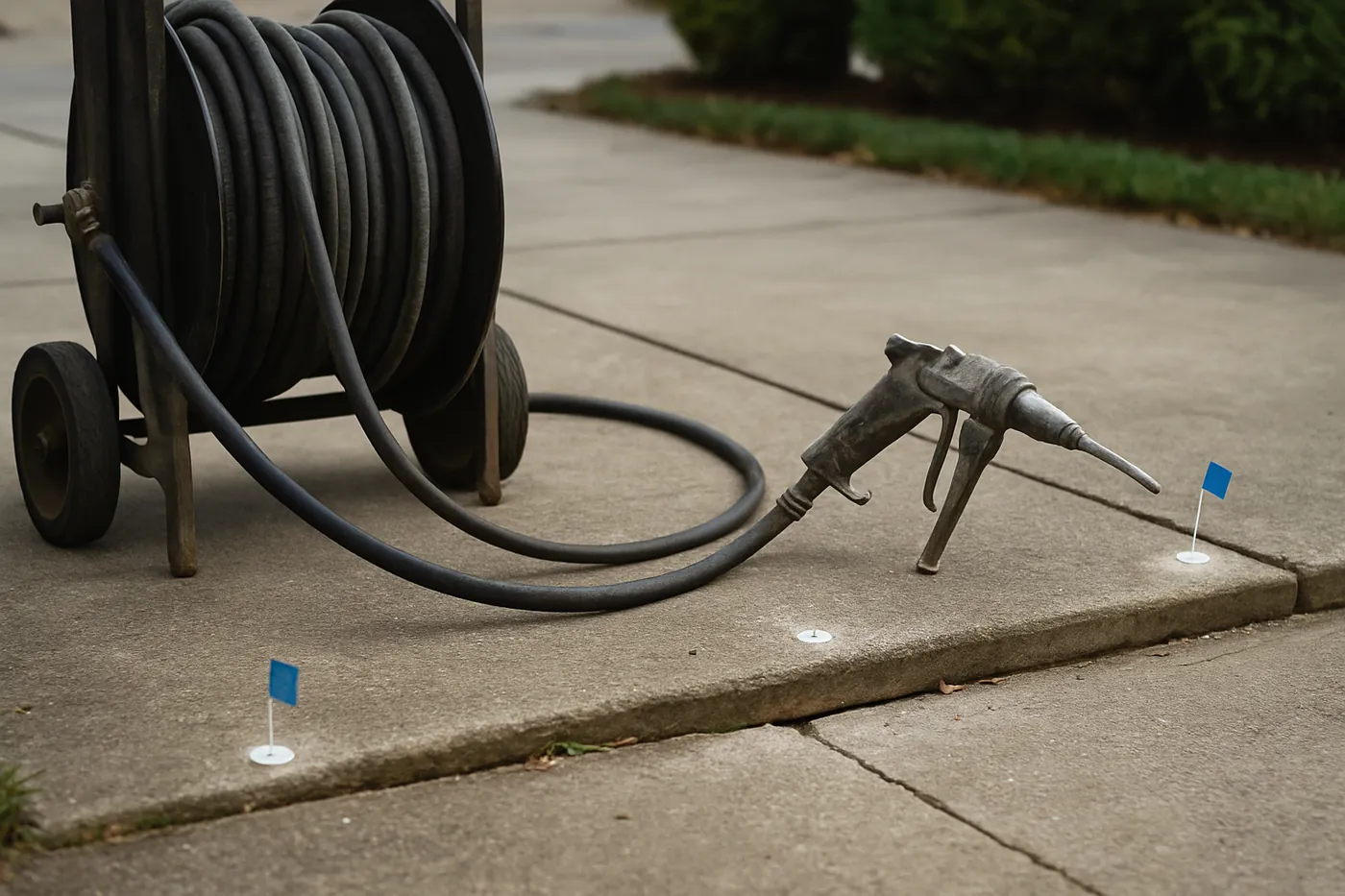
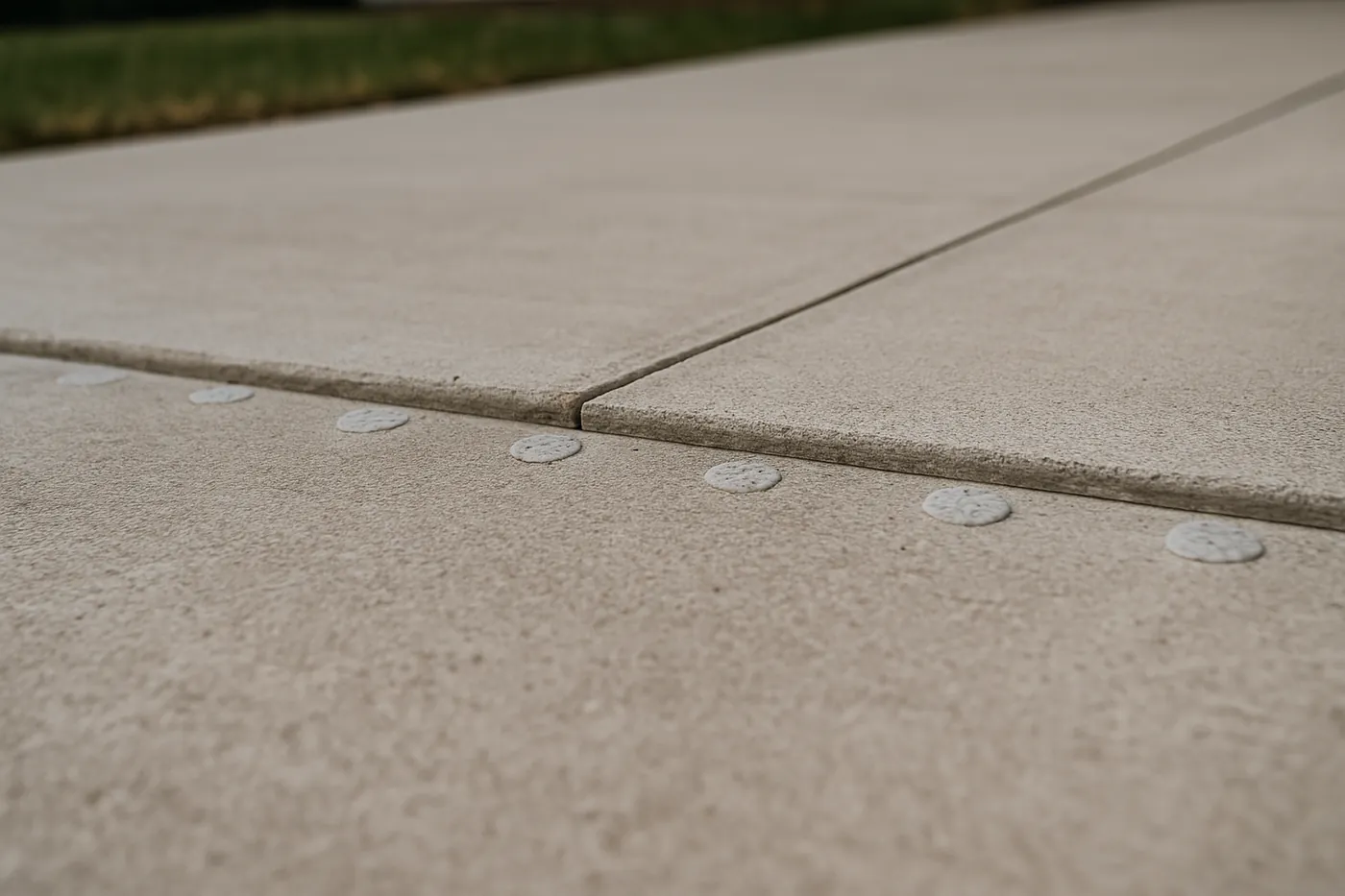
Concrete & Slab Leveling
Slab city gets slab service: heaved and sunken concrete floated home in an afternoon.
Foundation Settlement Repair
What drought does to bentonite clay, and how a dropped footing gets its bearing back.
Slab Foundation Repair
Slab city’s own page: cracks, heave, and settlement in homes with no basement to warn them.
Helical Piers vs Push Piers
Screwed to torque or driven to refusal: matched to what your house weighs.
Exterior vs Interior Waterproofing
Seal the wall or manage the swing: the trade-offs, priced for Wichita basements.
Insurance & Foundation Repair
The earth-movement exclusion, the under-slab exception, and what to document first.
Structural Engineer or Contractor?
Whose judgment to buy, whose comes with a bid, and when Wichita houses need both.
Cost Guide: Prairie Prices, Explained
Every repair ranged for this metro, the amplitude's effect on quotes, and the moisture line every bid needs.
One clay, one doctrine
Everything on this menu answers the same enemy (the ~30% volume swing) so the doctrine is fixed: read the amplitude first, flatten it where possible, carry loads below it where necessary, restrain what it already pushed, and sequence water before steel so the clay can't reload the problem. A good scope is written in that order, priced line by line, and stripped of anything the instruments didn't order.
Which repair fixes which failure
Every symptom the fat clay produces maps to one of five fixes. This is the menu with the mechanics attached:
| What you see | Mechanism | The fix | Typical range | Time |
|---|---|---|---|---|
| Settlement cracks, sticking doors, sloped floors | Clay shrinking under the footing in drought | Piers below the swing zone | $3,000–$12,000 | 2 days–1 week |
| Horizontal wall crack, inward bulge | Spring swell pushing laterally | Carbon fiber, braces, or anchors | $2,500–$10,000 | 1–2 days |
| Cracks leaking or growing | Seasonal racking opening paths | Matched-material injection | $400–$1,500 | Hours |
| Wet basement, cove-joint seepage | Group D clay holding water at the wall | Interior drainage + sump | $2,500–$8,000 | 1–3 days |
| Sunken driveway, walk, or patio panels | Slab riding the clay cycle directly | Polyurethane lifting | $500–$2,500 | Hours |
The moisture-first rule
Wichita repair scopes run in a fixed order because the clay punishes any other sequence: water management first, structure second. Steel installed while a downspout still saturates the wall is steel asked to win an argument the water keeps reopening. So evaluations here read gutters, grading, and irrigation before anything else. The amplitude of your soil's swing is partly a plumbing decision, and flattening it is the cheapest structural repair on the menu. Many good scopes carry a line item under $500 that does more for the foundation than any single piece of steel in the plan. It should go first, on purpose, with the structural pricing assuming it's done.
Paper that survives a Kansas resale
Buyers' inspectors in this metro know exactly what fat clay does, which makes repair documentation a resale asset. A good scope records what the instruments read (crack widths, floor levels, deflection), what was installed and to what refusal pressure or torque, and the warranty terms in transferable writing. A repair that exists only as a paid invoice is worth less at closing than the same repair with its engineering paper trail, when you compare bids, compare what you'll be able to hand the next buyer.
Service questions
Which service does my house need?
The amplitude read answers it: an hour of instruments (laser levels, deflection gauge, crack log with seasons noted, the moisture-story walk) collapses the menu to the lines your clay actually ordered. Drought-bitten corners call piers; swell-pushed walls call restraint; plenty of houses call only for the moisture plan.
Why does every scope here mention moisture?
Because on fat clay the wet-dry swing is the root cause of the entire menu: settlement, wall pressure, breathing cracks, slab tilt all trace to amplitude. Flattening it is the one intervention that discounts every other line, so it belongs beside any steel in a quote.
Is the first visit free, even if nothing is recommended?
Many local specialists don't charge for the first visit, but it depends on the company. Ask when the specialist calls, before they come out. 'Monitor with this dated baseline' is a real verdict here; ask for it in writing.
Get a Wichita foundation evaluation
Tell us what the house is doing (a crack that grew, a door that quit closing, a slab that dropped) and we'll pass your request on for an evaluation. A local specialist who works in Wichita will call you back.