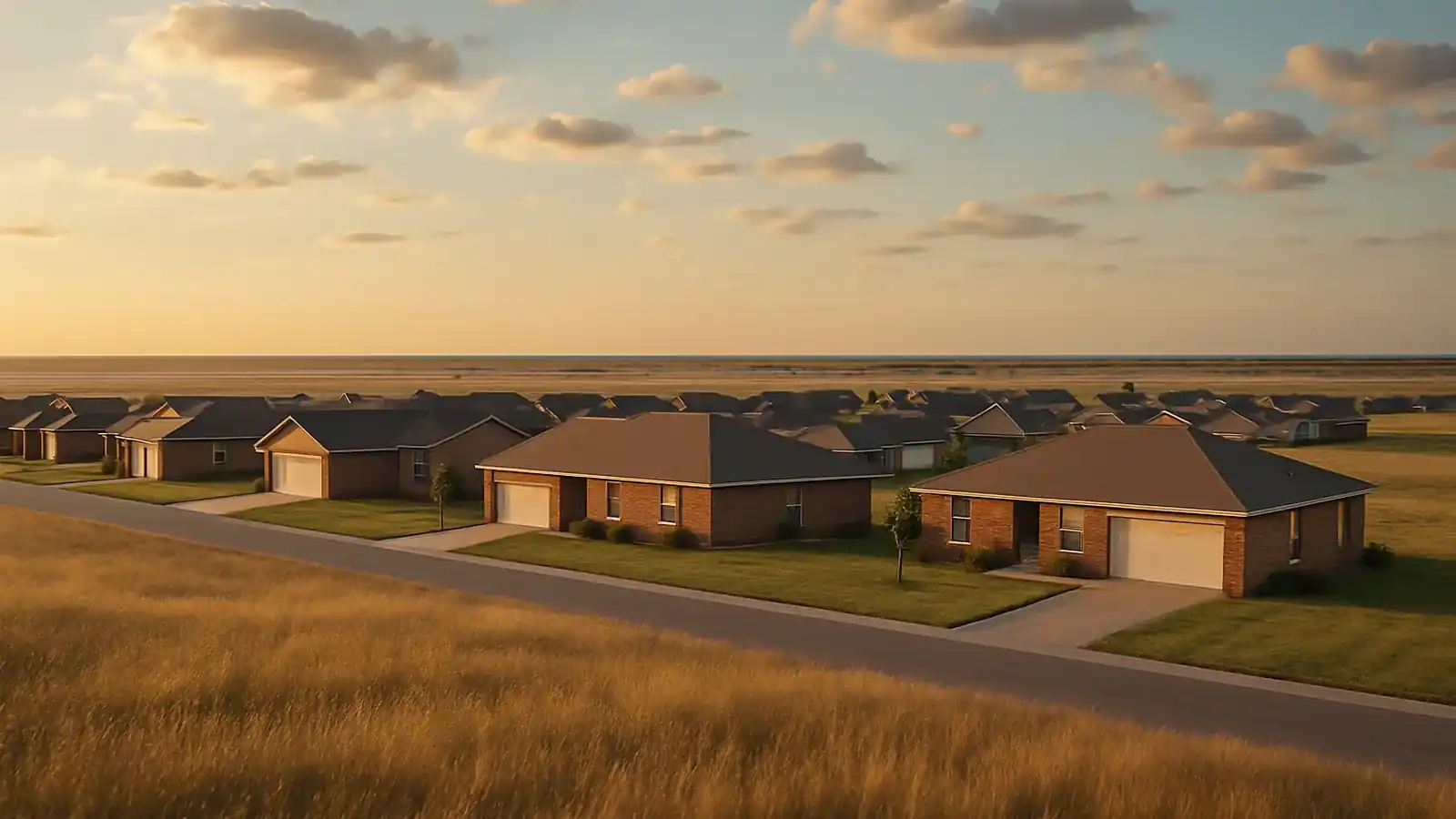
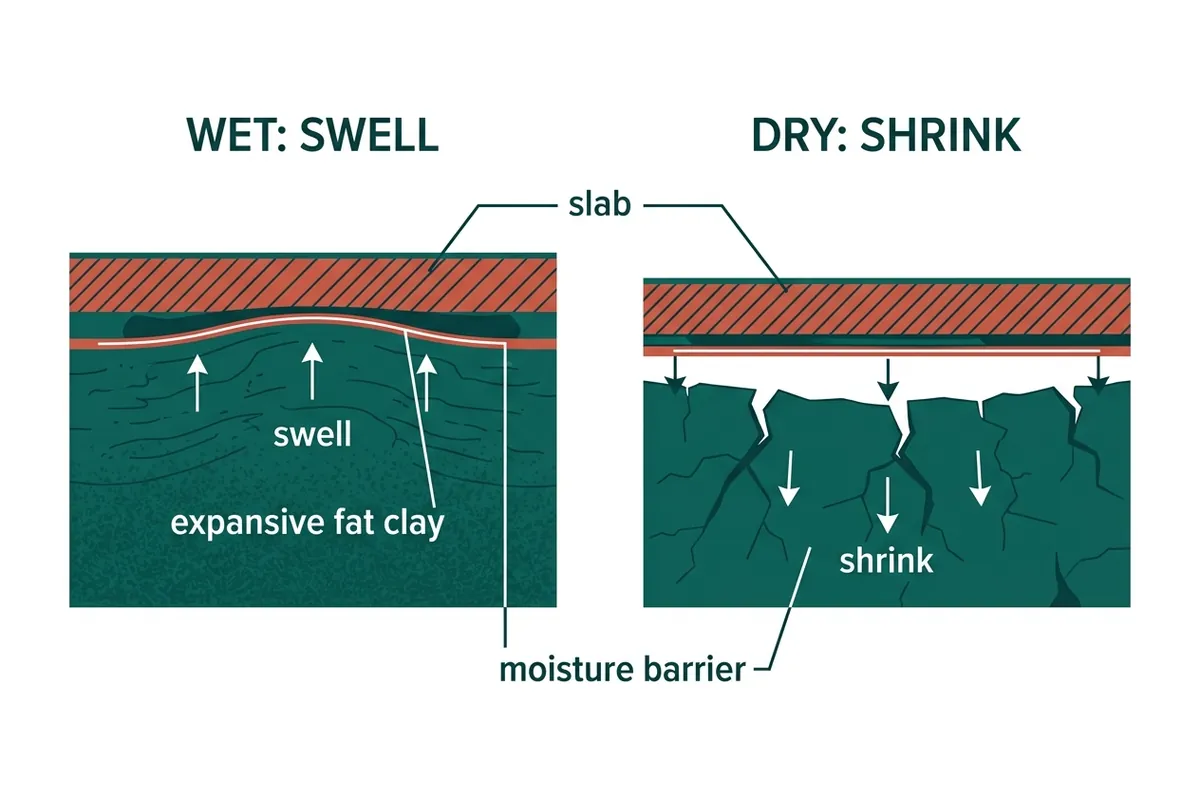
Foundation crack repair in Wichita costs $400–$1,500 for injection and reinforcement. Fat clay writes cracks on a calendar (drought diagonals in August, swell-shifted hairlines in spring) and the season of appearance is half the diagnosis.
The prairie crack calendar, injection that survives the swing, and the breathing-crack problem unique to expansive ground.
Crack triage by season and shape
| Presentation | Usual Wichita story | Response |
|---|---|---|
| Diagonal, opens late summer | Drought shrink pulling support | Measure; pier conversation if traveling |
| Horizontal, mid-wall, after storms | Swell pressure on the wall | Restraint evaluation promptly |
| Vertical hairline, poured wall | Curing shrinkage | Seal flexible; monitor casually |
| Opens and closes by season | The clay breathing through the crack | Flexible injection + travel monitoring |
Injection built for a moving climate
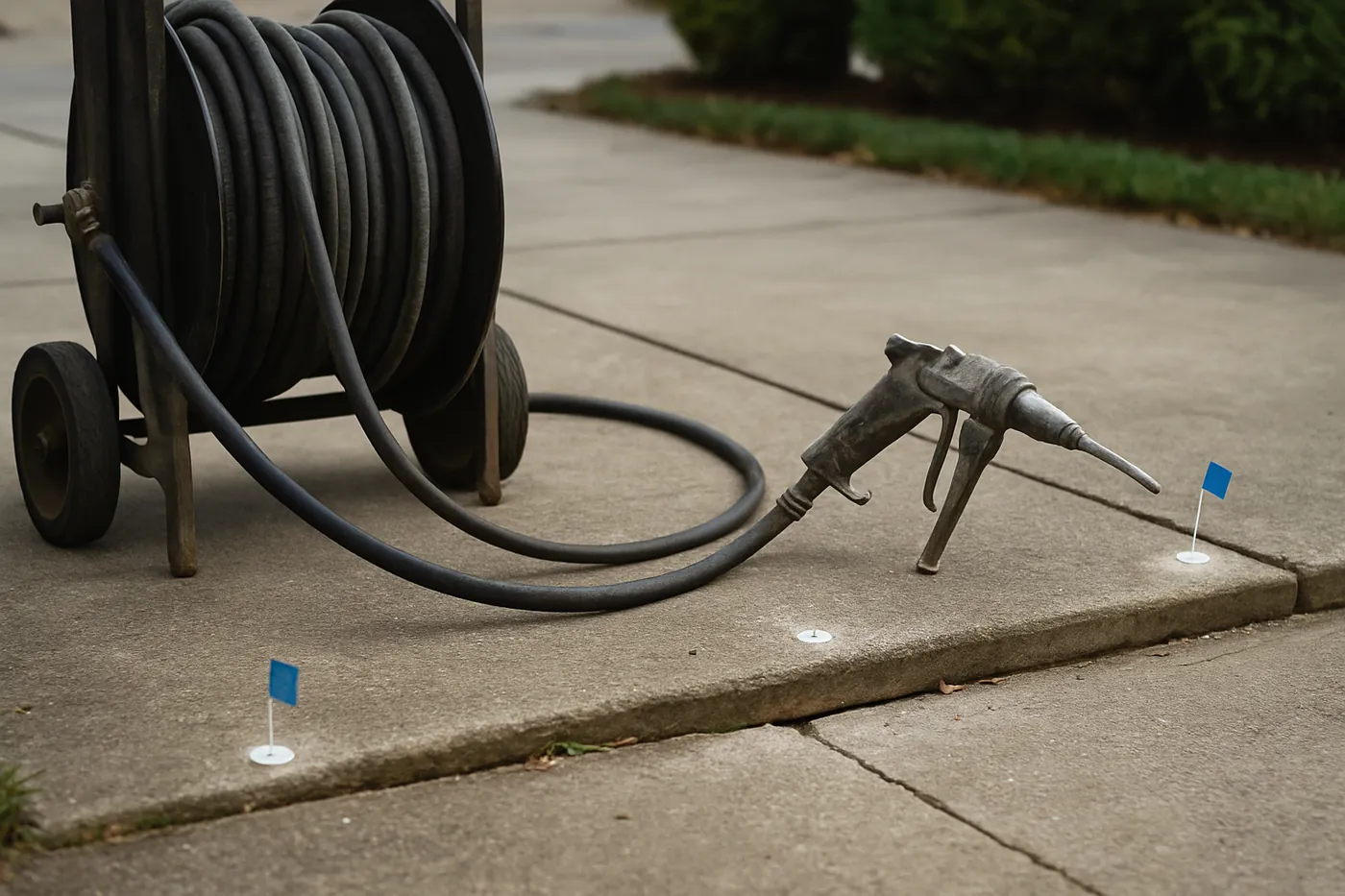
On ground that swings, repairs must flex. Polyurethane is Wichita's default: injected through the wall's full depth, it chases moisture, expands into the void, and cures flexible, a gasket for a crack that will see thirty more seasonal swings. Epoxy's structural weld waits for cracks the diary and gauge prove dormant. Movement-history lines get carbon staples bridging them, so the cycle works against fiber instead of concrete. Every repair logs width, date, and photo: feeding the diary that makes the next decision cheap.
Breathing cracks are testimony
A crack that opens each fall and closes each spring is the clay using your wall as a bellows: evidence of live seasonal travel, not a cosmetic quirk. Seal it flexibly for water's sake, then ask the real question: is the annual travel stable or growing? Stable breathing on old movement can simply be monitored. Growing travel means the cycle is winning somewhere (support shrinking away or swell gaining leverage) and the measured evaluation finds which before the fix graduates from hundreds to thousands.
Which Wichita cracks matter: a triage guide
On soil this expansive, some cracking is the house breathing, and some is the house reporting an injury. The triage: hairline vertical cracks in poured concrete are shrinkage, seal them against water and move on. Diagonal cracks off window and door corners track seasonal racking; watch their width across a wet-dry cycle before spending real money. Stair-step cracks in block that widen past a quarter inch, or any crack you can date to a specific season that keeps growing, mean the footing is moving. That's a settlement conversation, not a sealant one. And a horizontal crack in a basement wall is the clay announcing itself; it goes to the wall-repair page, not this one.
Injection here favors polyurethane over epoxy more often than in calmer soils: flexible material on flexible ground. Epoxy's structural weld has its place, but only where an engineer wants load transfer and the movement source has been dealt with. Sealing a crack the clay is still driving just schedules the next crack an inch away.
Crack questions, straight answers
When do Wichita foundation cracks appear?
On the calendar: August diagonals as drought pulls support, spring hairline weeping as swell shifts things back, and winter widening where the freeze finds moisture. A crack diary with dates is worth real money here. The season of appearance is half the diagnosis.
What does crack repair cost?
$400-$800 per injected crack, $700-$1,500 with carbon stitching across movement-prone lines. Cycle-symptom cracks (the ones settlement or swell keeps writing) get the honest referral to piers or restraint instead of a re-injection subscription.
Epoxy or polyurethane in this climate?
Cracks that see moisture or movement get polyurethane: flexible through the swing, chases water through full depth. Provably dormant cracks get epoxy's structural weld. On fat clay the default is flexible unless the diary and the gauge prove stillness; the swing is the climate.
My crack closes every spring and opens every fall. Fixed?
That's not healing, that's breathing: the clay swelling the crack shut and shrinking it open. Breathing cracks are movement evidence: injectable with flexible material for water's sake, but the real conversation is whether the seasonal travel is growing. The dated width log answers it.
What can I do myself?
Keep the diary (dates, widths, weather), keep moisture even around the foundation, and keep water routed away. Surface caulk is fine as a stopgap if you photograph first: full-depth injection is pressure equipment, but the monitoring habit is the genuinely valuable DIY.
Get a Wichita foundation evaluation
Tell us what the house is doing (a crack that grew, a door that quit closing, a slab that dropped) and we'll pass your request on for an evaluation. A local specialist who works in Wichita will call you back.